Cowboys, “Indians”, Toy Guns, and a Whole Lot of Hypocrisy –
When a School Play Isn’t Just a Play Anymore

What do you call it when a school bans a child’s necklace – but hands out toy guns for a class play?
This isn’t about being ‘too sensitive.’ Or being told that I’m ‘over reacting’ as I have been consistently told by the school for the past four years. It’s about a questionable village school that claimed a small pendant was too dangerous to wear, while staging cowboys, ‘Indians’, and plastic weapons for the community to absorb.
While the Year 4 class rehearsed scenes with fake plastic guns and tomahawks, my autistic son was told by the same head teacher who approved and praised the play, that his Maltese Cross necklace made him a threat to the school as he might commit murder with it.
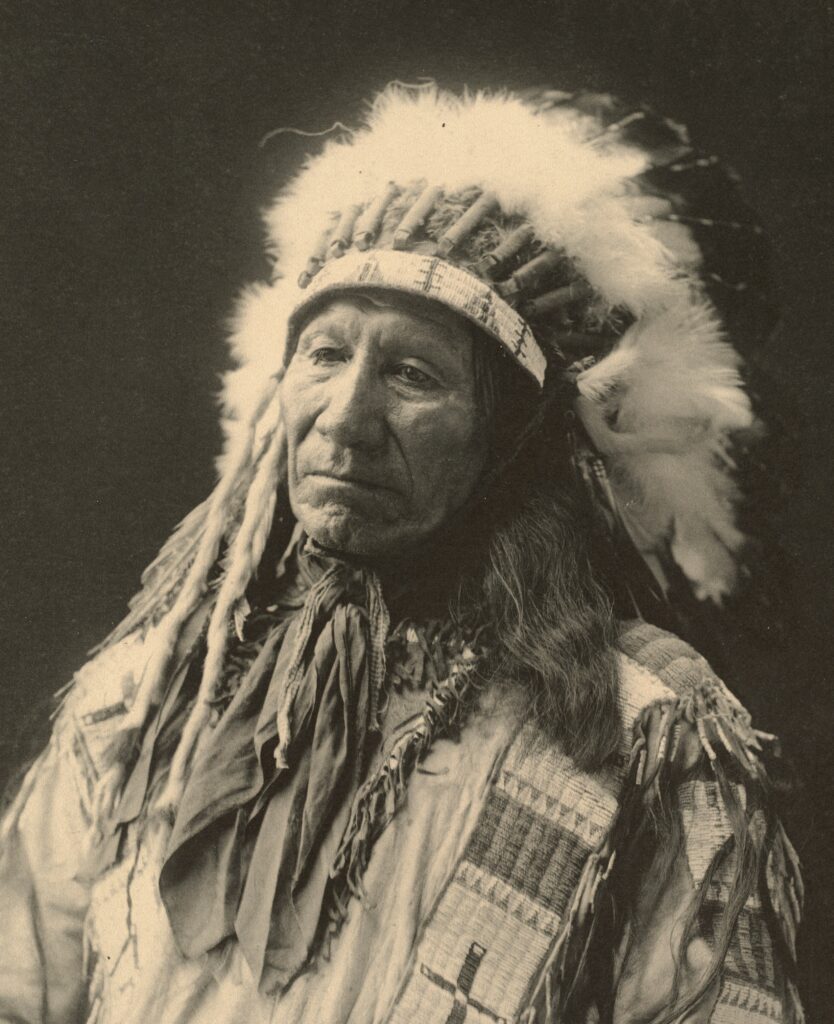
At a village primary school, mid way through the school year, in the year 2025, a Year 4 school production chose “Cowboys and Indians” as its main theme for the school play. They weren’t stuck for options, for stories and narratives. Instead, they made a choice to have the young children act out the theme featuring ‘cowboy’s and Indians’.
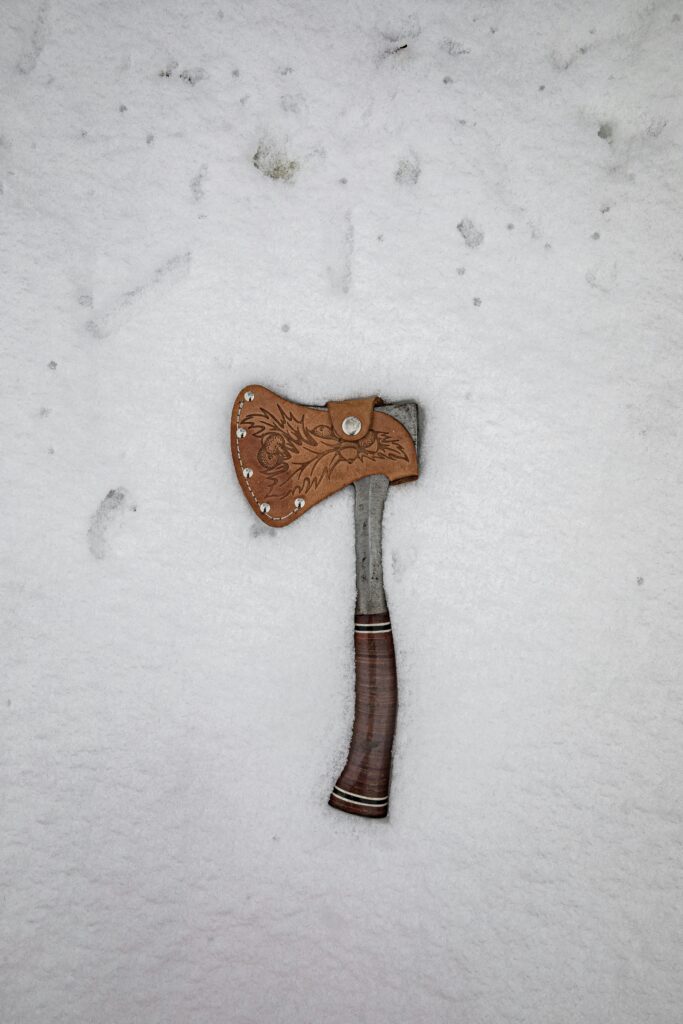
We’re talking about a full play. Scripts. Props. Rehearsals that lasted months. During this time, the children were handed toy guns, plastic tomahawks, and being asked to act out scenes that, let’s be honest, glamourise violence and recycle harmful stereotypes.
In the midst of this school production, my youngest son, who has been diagnosed with autism, was pulled aside by the headteacher one day and told that he was no longer allowed to wear his small Maltese cross necklace to school from that day onwards.
The headteacher confidently stated to this small and vulnerable child, that wearing this particular Maltese Cross pendant or anything similar, could lead to people in the school dying. That they were being put in danger from him wearing the necklace.
Why? Because she was suggesting that as a year four -autistic child, that he was capable of using a small pendant as a weapon and of committing a stabbing with it. The headteacher also made references to the tragic death of a teenager who had just been stabbed and murdered at school in Sheffield. Not only did she make direct references about this murder, she checked with my year four son to see if he had heard about the crime or knew anything about the situation via the news. When he responded with, “no, I haven’t. I don’t know who he is”, she quickly filled him in on all of the details.
The headteacher insisted that my son had to remove the necklace that he had been wearing for months. On and off – switching between the Maltese Cross necklace that my parents had bought him as a gift, and between a shark pendant that he equally loved. The headteacher claims, that the necklace made him “a potential threat to other students.”
This came shortly after the tragic incident that occurred in a Sheffield school. But rather than opening a sensitive conversation or offering care, the village school drew an unjust, stigmatising line between my child’s small pendant necklace and real-life violence.
My son hasn’t worn this necklace that he loved so much since this day. He was left feeling absolutely devastated. Confused with many unanswered questions. Afterall, he had been unfairly punished for wearing a tiny piece of personal identity. Meanwhile, right behind him, all of his classmates were rehearsing how to brandish fake weapons – guns and tomahawks, in order to play out a script based on historical conflict and cultural caricature.
So I ask again:
How are we still here?
What Are We Actually Teaching The Next Generation?
The “Cowboys and Indians” narrative isn’t just outdated, it’s harmful.
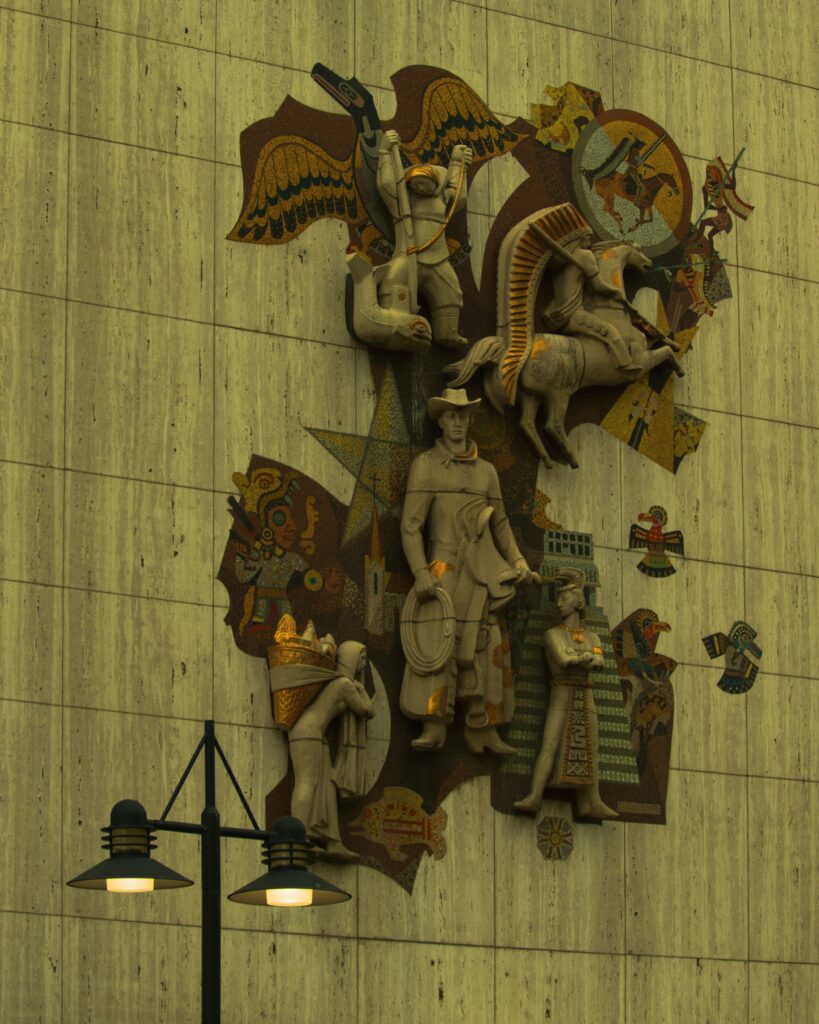
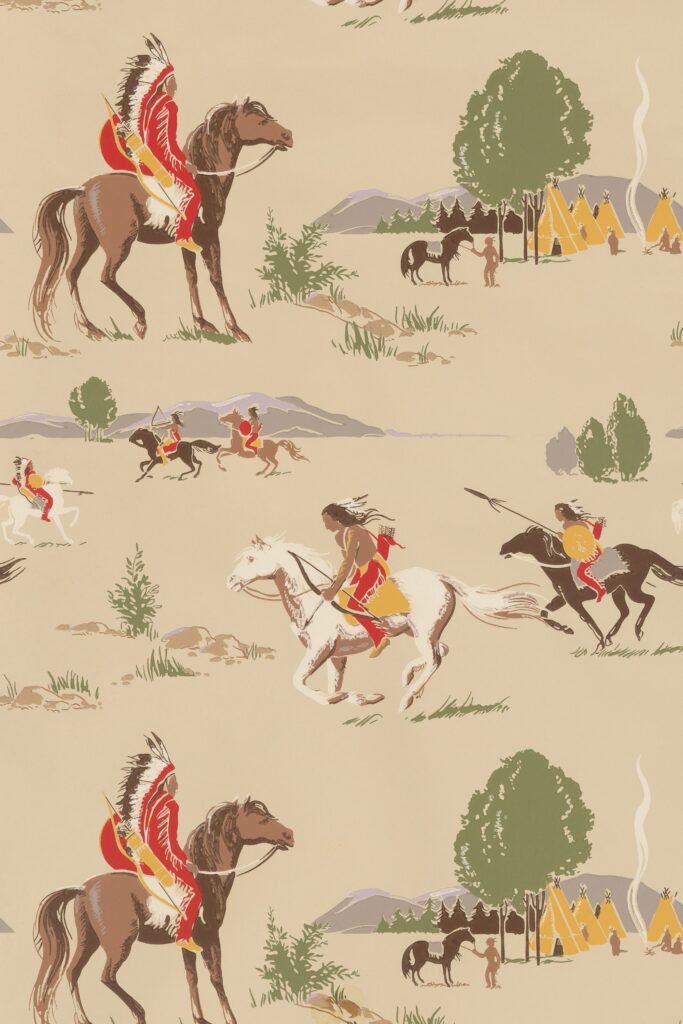
It reduces an incredibly complex, violent history into a child’s pantomime, complete with plastic guns and feathered headbands.
The disturbing content teaches children that colonial expansion and genocide can be stylised and entertaining. That Indigenous people are costumes. That violence is exciting, guns equal power, as long as it’s comical and set to upbeat music.
And somehow, that’s allowed on a school stage. With all of the parents invited to watch the show before the end of half term began. Parents encouraged to clap, cheer and be proud of their children’s stage presence.
Yet at the exact same time? A little autistic boy’s necklace, a personal gift from family members is deemed ‘too dangerous for school’.
This isn’t about being politically correct. It’s about being a responsible and likewise respectable adult. One who is in charge, paid to educate the children. Protect them from harm, which includes emotional damage. Therefore, if a child’s harmless piece of jewellery from Malta is considered life threatening, but staged acts of aggression with toy guns and tomahawks are deemed “fun,” something has gone terribly wrong in the framework of the school’s leadership.
Where Was the Critical Thinking?
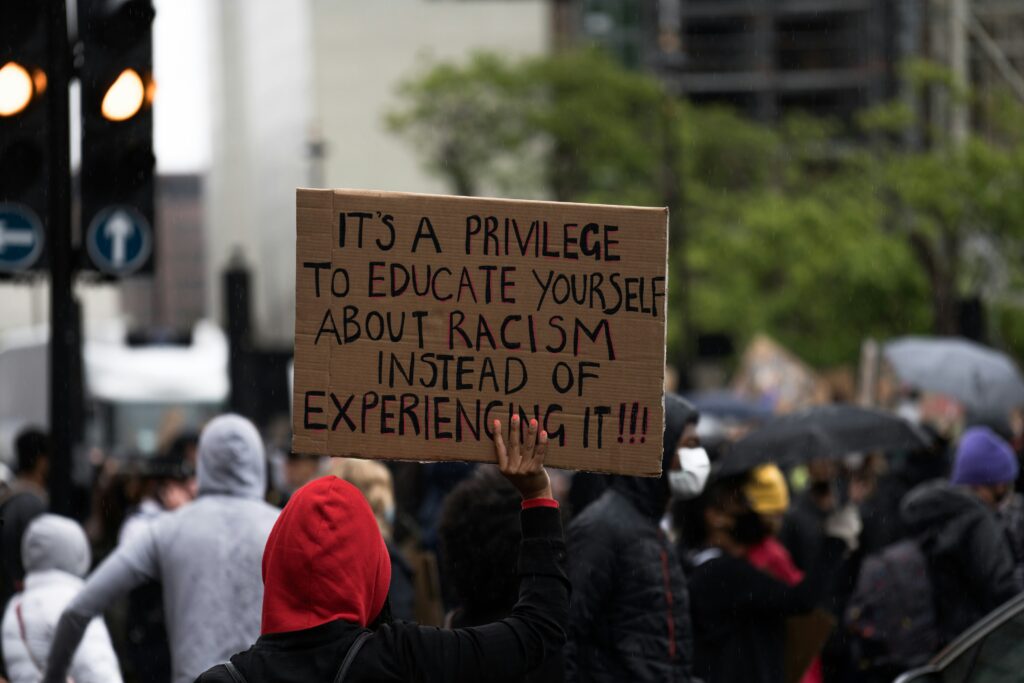
Nobody seemed to question the play’s content, except for me, my mother (a former probation officer), and my father. Other parents seemed more than happy to clap and cheer along, the whole way through. Professionals. People who have worked in and around real violence in various job roles. People who know the impact of stereotypes, violence and the cost of careless narratives.
As someone with a background in Film, Television, and New Broadcasting Media, and a Master’s in Screenwriting from one of the top arts universities in the world, I have spent years studying the impact of narrative which includes violence on screen and within various media forms. This includes theatre and live stage performances. We studied how these narratives shape their audiences. I didn’t just learn how to tell stories; I studied how they shape our beliefs, reinforce stereotypes, and influence the way that people, especially children see the world and people around them.
I have spent years exploring how stories influence perception, behaviour, and identity. These aren’t just academic theories, they have real-world consequences. When a school casually and irresponsibly stages a play rooted in colonial violence, armed with toy weapons and outdated tropes, it isn’t just ‘fun’. It’s messaging. Messaging matters, especially when children are the ones receiving the messages.
This isn’t just about a school play to me. It’s about how easily damaging tropes can be passed off as harmless fun, and how often institutions miss the opportunity to challenge outdated ideas. I’ve studied the mechanics of media and myth from some of the best people who work within various media industries. I know the harm this kind of messaging can cause when it goes unchecked.
I am a writer and screenwriter, trained to create and also to look at what stories we’re telling and why. Because stories do matter. They help to shape young minds. They can also leave permanent imprints.
My major concern and worry is where were the schools checks? Who was involved with the discussions? The values behind the national curriculum? Are other schools also laying out school performances with a ‘cowboy and Indian’ theme, handing out plastic weapons to influential minds? Or is just this one village school choosing to do so? With no checks and no outside officials stepping in to approve or reject the play content, the school was able to carry on like there was nothing wrong with the narrative.
Instead, the school was able to send out damaging messages, theirs being:
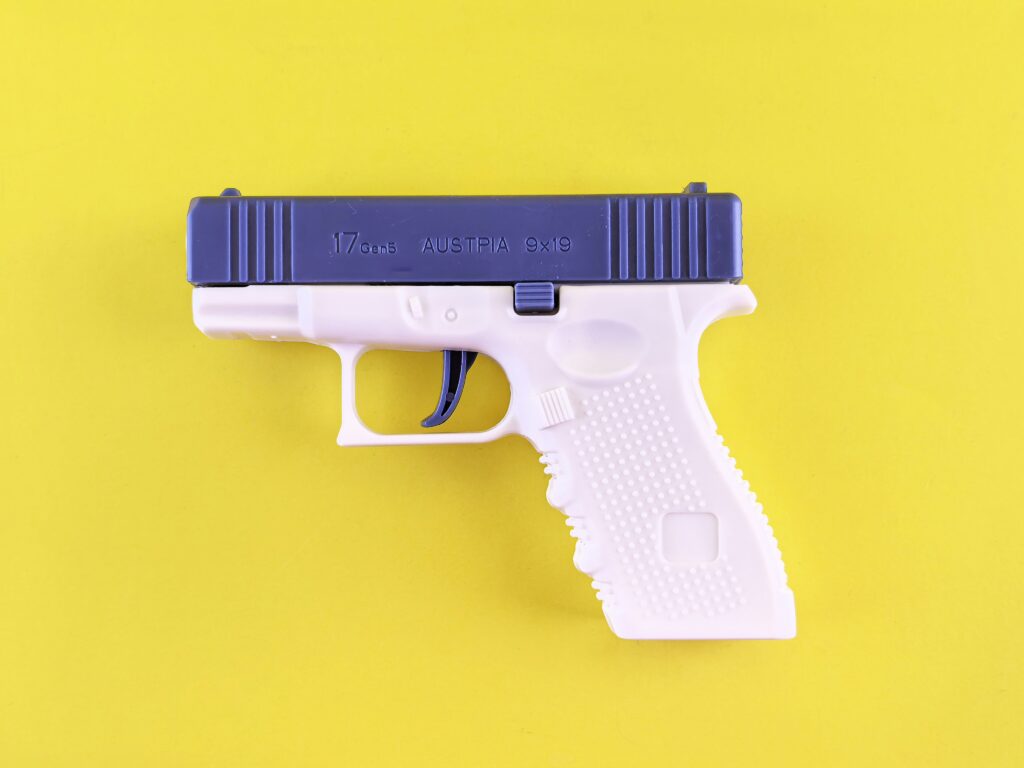
Your necklace is dangerous. But here’s a gun. Go play cowboy.
The Bigger Picture
This isn’t just a one-off failure. This is part of a wider pattern of inconsistency and systemic double standards in how the village school has handled behaviour, identity, diversity, racism and sensitivity.
When policies are based on fear rather than understanding, when children are policed for how they express themselves, while institutions promote old stereotypes. It sends a deeply confusing message.
- Especially to neurodivergent children.
- Especially to children from different and ethnic backgrounds.
- Especially in today’s world.
Overall, it teaches the children to mistrust themselves. To have them feel and believe that they are a problem. To associate who they are, or what they wear, with danger. While the rest of the class is applauded for pretending to shoot, stab, and conquer.
So, Should Schools Still Be Promoting Cowboys and Indians?
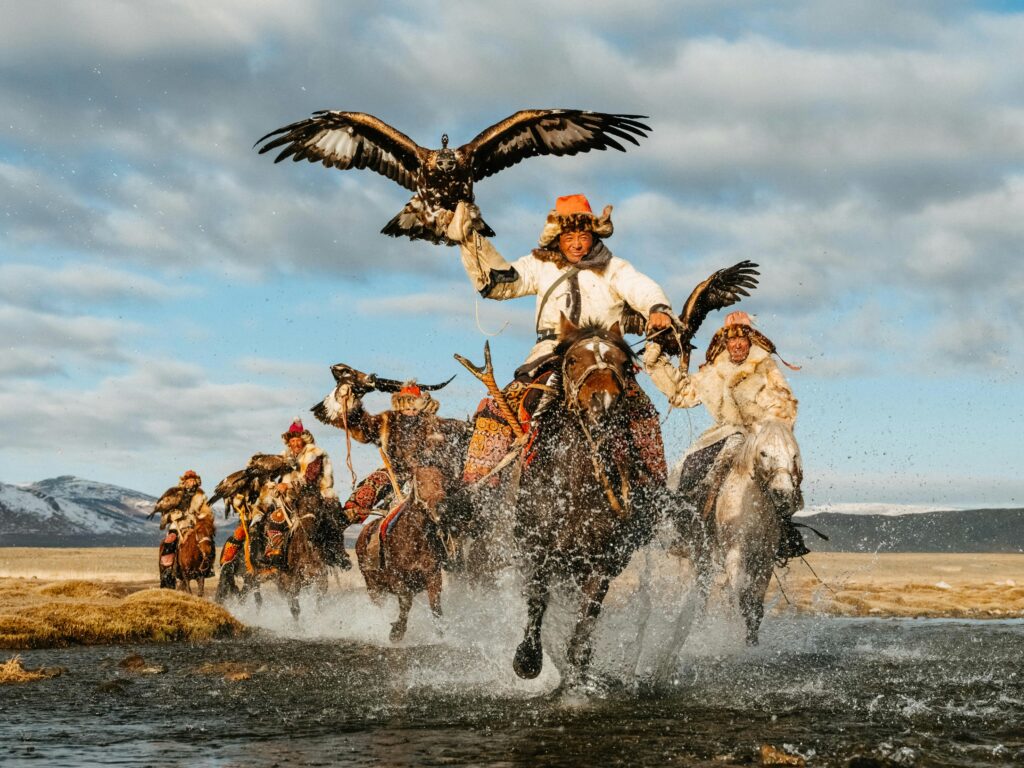
No! No they should not! These old stereotypes should never be exhibited and encouraged in a world trying, however imperfectly to grow.
There are countless stories to tell. Countless periods in history to explore, with depth and imagination and courage. We don’t need to cling to racist tropes or glorify frontier violence in order to engage children. And we certainly don’t need to shame a child for wearing a necklace whilst handing out prop weapons in the next room.
It’s 2025. If our schools can’t reflect the maturity, diversity, and emotional intelligence we expect from our children, then it’s not the children who need correcting.
- It’s the national curriculum.
- It’s the leadership.
- It’s the outdated scripts.